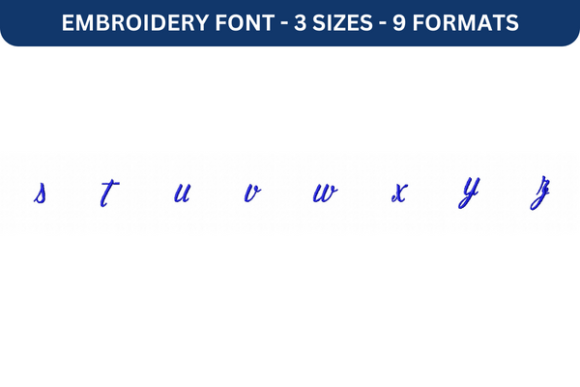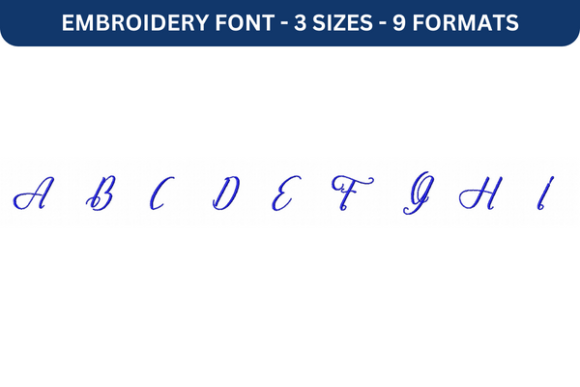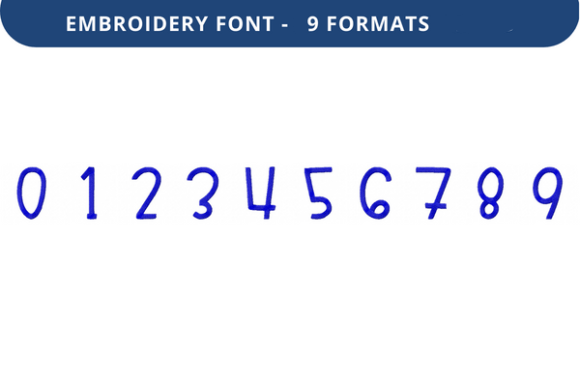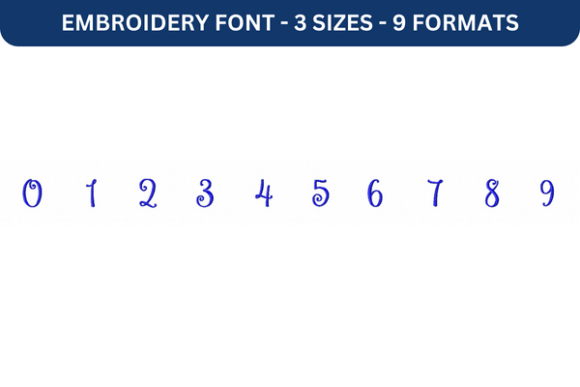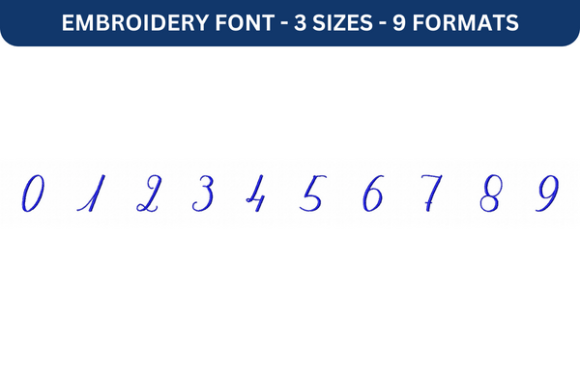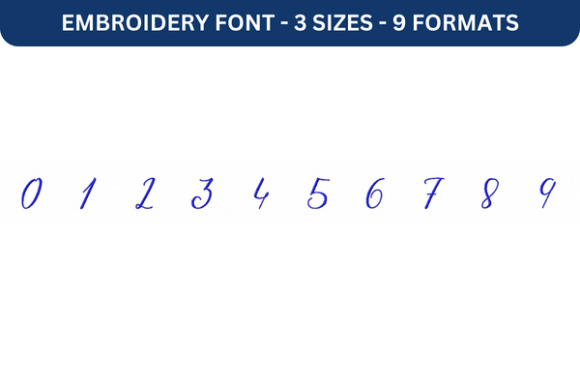
Question and Love Font Number 0 to 9
First Impression: Soft, Thoughtful, and Quietly Memorable
As an embroidery designer who’s curated over 200 craft fair booths—from Brooklyn pop-ups to Midwest farmers’ markets—I opened Question and Love Font Number 0 to 9 expecting charm, not flash. And that’s exactly what it delivers: a gentle, hand-drawn sensibility with subtle curves, open spacing, and just enough personality to feel intentional—not generic. It reads as soft modern, not minimalist; warm, not cutesy; thoughtful, not clinical. That quiet confidence makes it ideal for Back To School products where parents want meaning over mascot energy—think embroidered first-day-of-kindergarten totes or teacher appreciation tea towels with “2024” stitched in delicate numerals.
Where This Font Shines on Craft Fair Products
Question and Love Font Number 0 to 9 doesn’t shout—it invites. That changes everything on real-world handmade items:
- Tote bag design: Works beautifully centered on the lower third of a natural canvas tote—especially when paired with a small heart or initial. Customers pause longer here than they do at bold block fonts.
- Apron embroidery: Perfect for stitching names or graduation years along the pocket edge. Its light stroke weight avoids bulk, even on medium-weight cotton twill.
- Tea towel embroidery: Stitches cleanly on linen-cotton blends. Try “08.21” or “Class of ’25” near the hem—soft enough to feel handmade, clear enough to read across a kitchen counter.
- Embroidered patch: Holds up well at 2.5”–3” height. The open counters (like inside the “0”, “6”, and “9”) stay legible without excessive stitch density.
- Fabric pouch & pillow cover: Adds quiet luxury—ideal for boutique makers pricing handmade goods at $38–$68. It signals care, not craft-store filler.
What Makes It Sell—Beyond Aesthetics
This isn’t just another machine embroidery design. It’s a subtle trust-builder. At craft fairs, customers scan your booth in under three seconds. Question and Love Font Number 0 to 9 communicates warmth, attention to detail, and intentionality—qualities buyers associate with premium handmade product. On Etsy listings, it photographs with gentle contrast and clean edges, especially against oat, sage, or heather gray fabric. And because it’s built for personalization (names, dates, quotes), it encourages repeat engagement: “Can you do ‘1997’ on this cap?” turns into “And my daughter’s name next to it?”
Production Reality Check: Where to Proceed With Care
Don’t assume this font is universally forgiving. As a working embroidery designer, I tested it across six fabric types—and noted these practical limits:
- Dense stitch areas: The inner loops of “6”, “8”, and “9” can trap thread or flatten on heavy stabilizer. Use lightweight cutaway + tear-away combo on structured caps or thick denim.
- Small lettering: Below 0.6” height, the fine terminals blur on textured tea towels or terry cloth. Stick to ≥0.75” for reliable clarity.
- Curved surfaces: Caps and pouches require re-hooping and tension checks. Test the “0” and “3” on a curved mockup—they’re most prone to distortion.
- Dark fabric: Light thread colors (ecru, blush, pale gray) may lack contrast unless you use 40wt rayon or high-sheen polyester. Always test thread colors on your base fabric—not just white scrap.
- Fabric texture: Avoid on heavily napped fleece or bouclé—the font’s delicacy gets lost. Reserve it for smooth weaves: quilting cotton, linen, poplin, and midweight canvas.
Booth & Brand Impact: Why It Strengthens Your Display
Your craft fair table isn’t just selling products—it’s selling a mood. Question and Love Font Number 0 to 9 elevates visual cohesion. When used consistently across tote bags, patches, and pillow covers, it builds brand recognition without logos. Buyers subconsciously connect the rhythm of the numerals to your shop’s voice: calm, human-scaled, quietly confident. It also pairs seamlessly with neutral thread palettes—making inventory planning easier for small shop owners juggling limited color stock. For Etsy sellers, using this font across multiple listings creates a recognizable design language that improves search dwell time and repeat visits.
Designer Notes You Can’t Skip Before Production
Before turning Question and Love Font Number 0 to 9 into finished product, do these five things:
- Test the embroidery file on your exact fabric + stabilizer combo—not just cotton muslin.
- Check letter spacing at full size. Some digitizers tighten kerning too much; adjust if “10” looks cramped or “00” merges.
- Confirm hoop size compatibility. If your machine uses smaller hoops (e.g., 4x4”), verify all numbers fit without re-hooping mid-stitch.
- Inspect stitch density in the curved strokes—excess density causes puckering on lightweight fabrics.
- Create at least one physical mockup (not just a printable mockup) to assess how it feels in hand, catches light, and holds up to gentle wear.
And one non-negotiable: verify commercial licensing before selling any finished product. This digital embroidery file is a design asset—you must ensure your license permits resale of embroidered goods, especially for wholesale or Etsy.
Final Thought: A Quiet Workhorse for Meaningful Making
Question and Love Font Number 0 to 9 won’t dominate your booth—but it will deepen it. It’s the kind of machine embroidery design that earns compliments like, “This feels so *real*,” or “I can tell someone slow-made this.” In a market flooded with loud, scalable fonts, its restraint is its strength. For embroidery business owners, Cricut crafters pivoting to stitch-based work, and boutique makers building heirloom-caliber collections, this font isn’t just functional—it’s foundational. Use it to personalize, not decorate. To honor, not label. And watch how often customers point to the “0” or “9” and say, “That’s *exactly* how I wanted it to look.”