Smiling Alarm Clock
A Cheerful, Season-Ready Embroidery Design for Real Holiday Sellers
As an embroidery designer who’s built seasonal collections for Etsy shops, craft fairs, and small-batch apparel brands for over 12 years, I approach every new machine embroidery design with two questions: Does it spark genuine warmth in shoppers? and Will it stitch cleanly across the products people actually buy during holidays and back-to-school season? The Smiling Alarm Clock passes both tests — immediately. From the first glance at the digital embroidery file, it delivers a playful, nostalgic energy — like a friendly classroom clock or a cozy morning ritual made tangible. It’s not overly sweet or cartoonish; it’s cute with intention, balancing rounded charm and clean line work that reads well even at 3.5 inches wide.
Where Smiling Alarm Clock Shines in Seasonal Product Lines
This isn’t just a “cute clock” — it’s a mood-builder for handmade gifts and limited-edition drops. On sweatshirt embroidery, it adds instant personality to matching family sets (think “Mom’s Early Bird,” “Dad’s Snooze Button,” “Kid’s First Bell”). As tote bag design, it turns everyday carry into cheerful back-to-school utility — perfect for teachers, students, or homeschoolers launching a new term. For kitchen towel embroidery, it brings lighthearted function to holiday hostess gifts or teacher appreciation bundles. And on pillow covers or embroidered patch form? It becomes a tiny icon of routine, comfort, and gentle encouragement — ideal for baby items, nursery decor, or “first day of school” keepsakes.
For Etsy sellers and small shop owners, Smiling Alarm Clock is highly social media–ready. Its expressive face and clear silhouette translate beautifully into printable mockups and Instagram carousels — no complex styling needed. Pair it with warm neutrals, mustard yellow, sage green, or soft navy, and it feels equally at home in fall, winter, or early spring product launches. It also works seamlessly in gift bundles: pair the embroidered pillow cover with a matching apron and kitchen towel set, or offer the design as a standalone personalized gift option with custom names stitched below the clock face.
Smart Placement & Practical Stitching Considerations
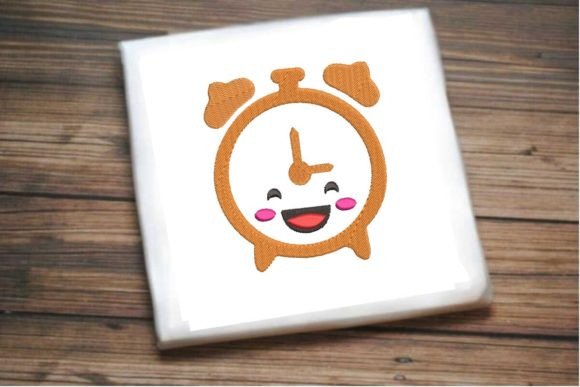
That said, real-world stitching demands realism. Smiling Alarm Clock includes fine details — subtle eyelashes, a curved smile, and delicate hands — so hoop size matters. I recommend using at least a 4x4 hoop minimum, and confirm your embroidery file includes clean satin-stitched elements (not dense fill areas) before scaling down. On thick fabrics like heavy kitchen towels or textured pillow covers, test stitch density first — too many overlapping stitches can cause puckering or stiffness. Use medium-weight cutaway stabilizer for stability, especially on stretchy garments or curved surfaces like caps.
Avoid placing Smiling Alarm Clock on ultra-dark fabric without testing thread colors — light yellows or creams may lose contrast. Likewise, steer clear of metallic thread unless you’ve verified compatibility with your machine and stabilizer combo; the smile’s curves demand smooth, consistent feed. For baby items or frequently washed apparel, double-check that all satin edges are fully secured and that no tiny interior details (like clock numerals) risk fraying over time.
Design Notes Every Embroidery Seller Should Apply
- Test thread colors on both light and dark fabric — what reads joyful on ivory may vanish on charcoal.
- Review stitch density before bulk production — high-density fills increase wear on machines and fabric.
- Confirm hoop size requirements before listing — customers need to know if they’ll need a 5x7 hoop or can use standard 4x4.
- Use proper stabilizer — lightweight tear-away works for cotton totes; cutaway is essential for knits and towels.
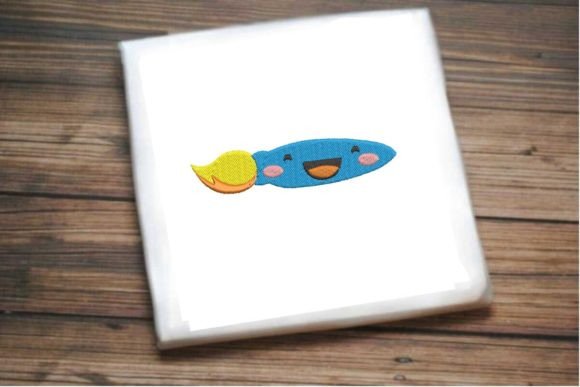
- Create realistic mockups — show how Smiling Alarm Clock looks on actual sweatshirts, not just white squares.
- Review small details after stitching — check eyelashes, hands, and smile curvature for consistency.
- Plan matching color palettes — build cohesive seasonal listings using 3–4 thread colors across your entire collection.
- Confirm commercial licensing before selling finished seasonal products — this is non-negotiable for Etsy sellers and small business owners.
Why Smiling Alarm Clock Builds Trust & Seasonal Value
Holiday shoppers don’t just buy designs — they buy feeling. Smiling Alarm Clock taps into universal emotional touchpoints: readiness, care, gentle motivation, and shared routines. That makes it more than decoration — it’s a storytelling tool. When customers see it on a teacher’s apron or a child’s backpack, they instantly understand the sentiment. That builds customer trust and increases perceived value, especially when paired with thoughtful presentation (e.g., gift-ready packaging with a handwritten note about “new beginnings” or “quiet mornings”).
It also strengthens brand consistency for shops focused on Back To School or family-centered seasonal embroidery. Used alongside coordinating designs (like pencils, books, or apples), Smiling Alarm Clock becomes part of a recognizable visual language — one that signals warmth, reliability, and attention to detail. In crowded Etsy search results or craft fair booths, that recognition drives engagement and repeat purchases.
Finally, its versatility supports multiple revenue streams: sell the digital embroidery file to fellow crafters, offer ready-to-ship embroidered patches, or produce limited-run finished product like holiday-themed pillow covers. Each path benefits from the same truth — Smiling Alarm Clock doesn’t shout. It smiles, invites, and fits right in — exactly what seasonal shoppers and small shop owners need most.