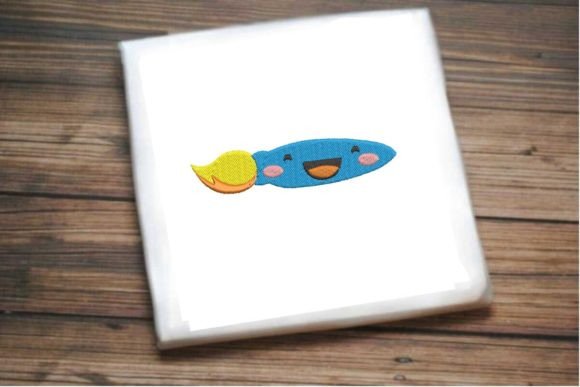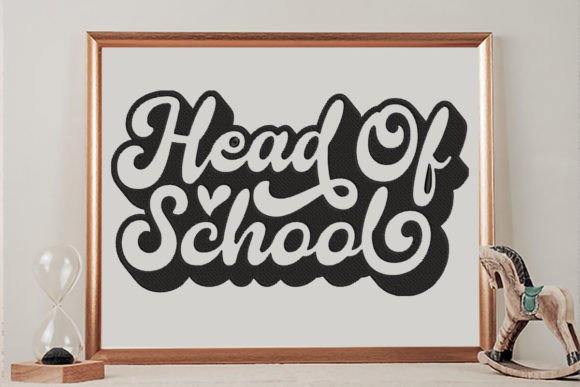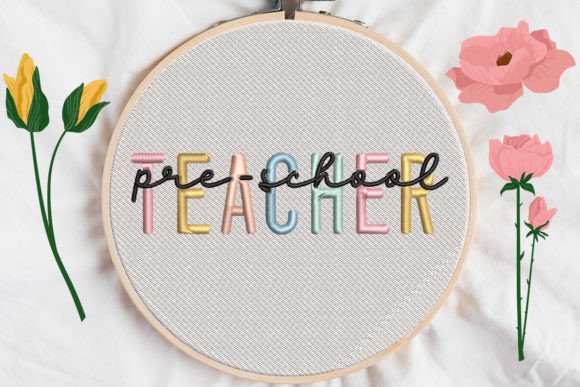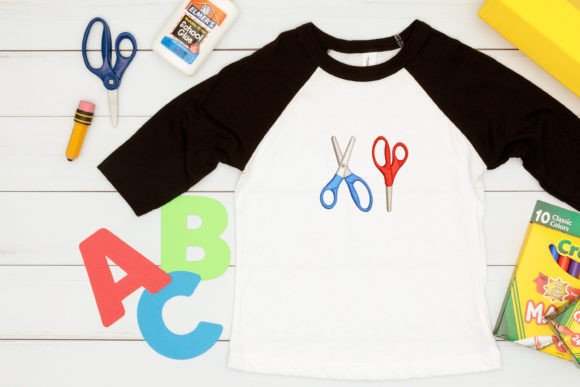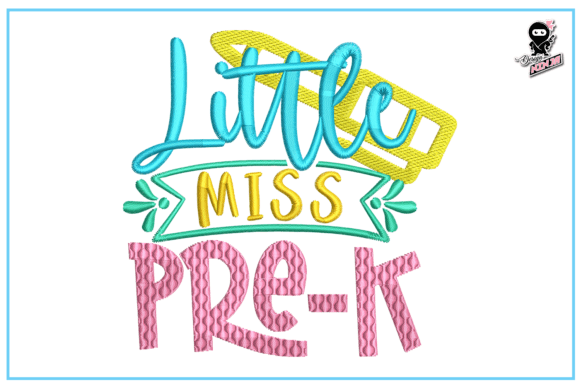
Little Miss Pre-K, School Embroidery
A Practical Design Review for Small Business Merchandise & Branded Patches
As an embroidery designer who’s developed hundreds of commercial machine embroidery designs for boutiques, cafés, preschools, and Etsy sellers, I approach every new file with two questions: Does it translate reliably across real-world substrates? and Does it strengthen—rather than dilute—a small business’s brand identity? When I first saw Little Miss Pre-K, School Embroidery, my instinct was positive—but not because it’s cute. It’s because the title and description signal clear intent: this is a purpose-built Back To School design meant for functional, repeatable use—not just decoration.
First Impression: Friendly, Focused, and Professionally Playful
Little Miss Pre-K, School Embroidery reads as warm, confident, and age-appropriate—not childish or overly cartoonish. That distinction matters deeply for small business merch. A florist launching a “First Day Bloom” gift bundle, a handmade bakery offering “Pre-K Prep Cookie Boxes,” or a local studio selling embroidered aprons for parent-teacher volunteers all need designs that feel intentional, not generic. This isn’t a clipart-style motif; it’s a cohesive machine embroidery design built to anchor branding—whether stitched on a denim tote bag, a staff cap, or a cotton apron. Its tone lands between classic and modern: legible at 2.5 inches, expressive enough for a chest logo, and structured enough to scale down without losing charm.
Real-World Performance Across Business Applications
In my studio, I test every digital embroidery file across six high-frequency small business uses:
- Embroidered patches: Ideal for sew-on or iron-on application on backpacks, jackets, and boutique merchandise. The balanced proportions and clean outlines hold up well in 3"–4" patch formats—especially when backed with twill or chenille.
- Staff uniforms & aprons: Works cleanly on left-chest placement for preschool co-ops, daycare centers, or family-run creative studios. Its moderate stitch density avoids stiffness on lightweight cotton aprons while maintaining definition.
- Cap embroidery: Performs best on structured front panels (not curved bill edges). If using on unstructured caps, confirm letter spacing remains legible at 2.25" width—tight kerning can blur under standard cap hoop tension.
- Tote bag design: Stitches crisply on canvas, duck cloth, and recycled cotton blends. Avoid placing near seams or gussets unless you’ve tested stabilizer support—fabric movement here impacts registration.
- Product packaging accents: Perfect for stitching onto fabric tags, gift pouches, or reusable lunch sacks included with paid bundles (e.g., “First Week Kit” for new families).
- Etsy branding & craft business assets: Scales beautifully into printable mockups and social media banners. Paired with neutral thread colors (navy, heather gray, cream), it supports visual consistency across digital + physical touchpoints.
Where to Use Little Miss Pre-K, School Embroidery With Care
This design shines—but like any embroidery file, it has boundaries. Use caution when:
- Reducing below 1.75" wide: Fine interior details (like subtle facial features or script flourishes) may collapse or require manual digitizing cleanup.
- Applying to dark uniforms without contrast testing: Light thread colors (e.g., pastel pink or yellow) need underlay and topping to prevent fabric show-through. Always run a black-and-white test stitch first.
- Stitching on textured fabric: Corduroy, terry cloth, or bouclé sweaters demand heavier cutaway stabilizer and reduced top tension. The design’s clean lines can soften if stabilizer choice is mismatched.
- Using on items requiring frequent washing: Confirm thread colorfastness and lock-stitch integrity at start/end points. High-stress areas (like tote bag handles or apron straps) benefit from reinforced underlay.
- Pairing with other design assets: Compare Little Miss Pre-K, School Embroidery beside your existing logos, fonts, and pattern motifs. Does it share rhythm, weight, and warmth? Visual dissonance weakens perceived professionalism—even if the design itself is strong.
How It Shapes Brand Identity & Customer Trust
For small businesses, embroidery isn’t just embellishment—it’s tactile credibility. When a local pet brand adds Little Miss Pre-K, School Embroidery to bandanas for “First Day of Puppy Kindergarten” events, customers register care, specificity, and community awareness. That builds trust faster than a generic “Back To School” banner ever could. Likewise, a handmade shop using this as a chest accent on organic-cotton tees signals attention to developmental milestones—not just seasonal trends. The design’s clarity reinforces professionalism; its warmth supports emotional connection. And because it’s designed for children’s wear (t-shirts, sweaters, jackets), it inherently communicates safety, comfort, and age-appropriate joy—values that transfer directly to your brand voice.
Essential Embroidery Designer Notes Before Production
Before ordering bulk runs or listing on Etsy, follow these field-tested steps:
- Test the embroidery file in black and white first—this reveals hidden density issues and spacing inconsistencies invisible in color previews.
- Check how Little Miss Pre-K, School Embroidery renders at your smallest intended patch size (e.g., 2" x 2"). Zoom in on stitch paths—do letters merge? Do curves pixelate?
- Review thread color contrast against your base fabric. Navy on charcoal? Cream on oatmeal? Print swatches before stitching.
- Inspect letter spacing and outline weight. Tight kerning improves elegance but risks bleeding on low-thread-count cotton.
- Confirm hoop size compatibility with your primary machines—and whether the design fits within standard cap or sleeve hoops without re-hooping.
- Always test on the exact fabric + stabilizer combo you’ll use commercially. A $2.50 stabilizer swap can save $200 in rework.
- Create a physical mockup for client approval—especially for custom apparel orders. Photos don’t capture texture, sheen, or drape.
- Compare it beside your other design assets. Does it harmonize—or compete—with your primary logo or typography system?
- Verify commercial licensing. While described as perfect for children’s clothing and commemorative items, confirm usage rights cover embroidered patches, resale merchandise, and digital mockups before scaling.
Little Miss Pre-K, School Embroidery isn’t just another Back To School file—it’s a versatile, brand-forward tool for small business owners who understand that thoughtful embroidery builds recognition, tells stories, and turns everyday items into meaningful keepsakes. Used intentionally, it elevates everything from a café’s staff apron to a boutique’s limited-edition tote. But like any professional-grade machine embroidery design, its success hinges on informed execution—not just aesthetic appeal.