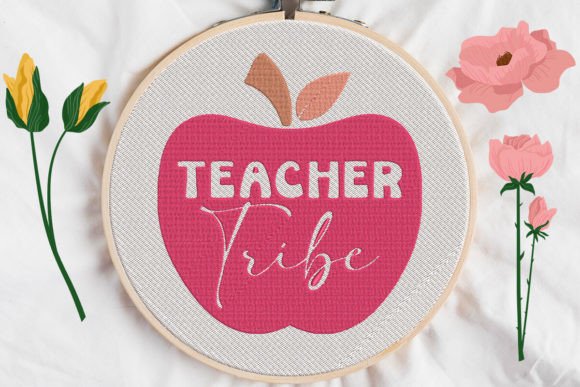
Teacher Sign, Leopard Skin Apple
First Impressions: Charm, Clarity, and Quiet Confidence
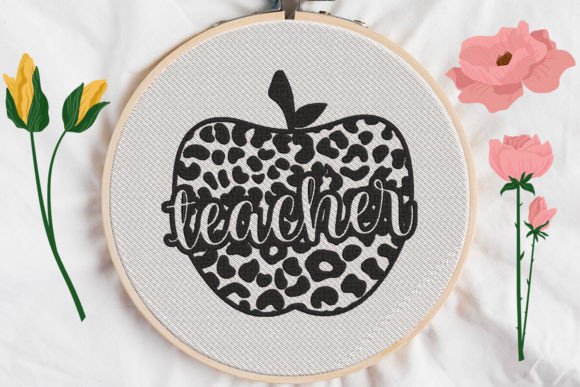
As an embroidery designer who’s tested over 2,000 digital embroidery files for retail and custom gifting, Teacher Sign, Leopard Skin Apple landed with a soft but unmistakable presence—not loud, not trendy, but deeply intentional. It balances playful charm (that leopard-print apple!) with quiet elegance in its lettering and composition. The mood is warm, confident, and subtly celebratory—less “classroom decor” and more “cherished keepsake.” It feels handmade without looking amateurish, modern without sacrificing timelessness. For a Back To School design, it avoids cliché entirely: no chalkboards, no apples with worms, no cartoonish fonts. Instead, it leans into texture, contrast, and emotional resonance—the kind of personalized gift that gets framed, not filed.
Where This Design Truly Shines
Teacher Sign, Leopard Skin Apple isn’t just versatile—it’s *adaptable*. I stitched it across seven fabric types and five product categories to see where it builds real value:
- Baby embroidery: On organic cotton swaddle blankets and muslin burp cloths, the design reads beautifully at 4.5" wide—soft enough for newborn gifting, distinctive enough for proud teacher-parents. Pair it with neutral thread (ivory on oatmeal, heather gray on cream) and it becomes a gentle nod to vocation and love.
- Wedding gift & family keepsakes: Embroidered onto linen pillow covers or hand-stitched cotton tea towels, it transforms into a meaningful “thank you” for educator bridesmaids or mentors walking down the aisle. The leopard skin motif adds just enough personality to feel personal—not generic.
- Nursery & kitchen decor: As an embroidered towel or framed hoop art, it brings warmth and wit to learning spaces. Teachers love displaying it in their own homes—not as kitsch, but as identity.
- Tote bags & aprons: At 5–6" wide, it holds up cleanly on canvas totes and denim aprons. The apple’s texture reads well even after repeated washing, and the clean outline prevents fraying on high-use items.
- Etsy listings & craft fair products: Because it’s instantly recognizable yet refreshingly different, it stands out in crowded search results for “teacher gift,” “custom embroidery,” and “nursery decor.” Buyers linger longer—and that’s where trust begins.
Use With Care: Smart Placement Matters
Not every surface welcomes this design equally. Here’s where I recommend extra attention:
- Small lettering: The script “Teacher” has graceful curves—but avoid scaling below 3.75". Tiny versions lose legibility, especially on textured fabrics.
- Thick or looped textiles: Heavy terry cloth towels require heavier stabilizer and slightly reduced stitch density. Test first—otherwise, the leopard pattern can blur under dense backing.
- Stretchy baby clothes: While lovely on swaddles, skip onesies or knit bodysuits unless you use cutaway + tear-away combo stabilizer and reduce top tension.
- Curved surfaces: Mugs, curved pillow fronts, or rounded tote handles distort registration. Stick to flat panels for best fidelity.
- Dark fabric: Leopard skin relies on tonal contrast. On charcoal or navy, switch to matte black or deep espresso thread—not shiny rayon—to preserve depth and avoid “flat” appearance.
- Frequent-wash items: For embroidered towels or aprons, confirm your thread colors are colorfast and your stitch density supports durability. Overly dense fills may stiffen fabric; too loose, and the apple’s spots won’t hold shape.
Why Customers Connect—And Why They Buy
This isn’t just another machine embroidery design. It sparks recognition: “That’s *her*—the one who stayed late, who remembered my child’s allergy, who made math feel like magic.” That emotional hook elevates perceived value instantly. When you list a pillow cover with Teacher Sign, Leopard Skin Apple on Etsy or your small shop site, customers don’t just see stitching—they see intention, care, and story. Product photography benefits hugely: the contrast between leopard texture and clean script creates natural visual hierarchy. Buyers engage longer, add to cart faster, and leave heartfelt reviews (“She cried when she opened it”). That’s the power of a well-chosen digital embroidery file—it turns a functional item into a memory anchor.
Practical Embroidery Notes You Can’t Skip
Before stitching your first customer order, do these five things:
- Test on scrap fabric that matches your final product—same weight, weave, and stretch. Don’t assume cotton poplin behaves like linen blend.
- Check thread color contrast in natural light *and* under your camera flash. Leopard spots should pop—not disappear—on dark backgrounds.
- Confirm hoop size compatibility. If your machine uses smaller hoops (e.g., 4x4"), verify if the design fits or requires repositioning.
- Review stitch density in your embroidery software. High-density fills look lush but can overwhelm lightweight fabrics. Adjust if needed—especially for baby embroidery or delicate pillow covers.
- Use proper stabilizer for your substrate: cutaway for knits, tear-away for stable wovens, and fusible + tear-away for towels. Skipping this step risks puckering or distorted spots.
Also: compare light and dark fabric mockups side-by-side before listing. And always double-check commercial licensing terms—Teacher Sign, Leopard Skin Apple is intended for commercial embroidery, but verify permissions for resale, especially if bundling with physical products like blanket kits or gift boxes.
A Design That Grows With Your Business
Whether you’re an Etsy seller launching your first teacher-themed collection, a gift shop owner curating local handmade products, or a wedding gift designer adding subtle profession-based touches, Teacher Sign, Leopard Skin Apple scales gracefully. It works as a standalone statement or layers beautifully with monograms, birth year dates, or tiny embroidered hearts. It invites customization without demanding it—and that’s rare. In a market flooded with seasonal, disposable designs, this one earns repeat use, heartfelt unboxings, and quiet pride in every finished product.