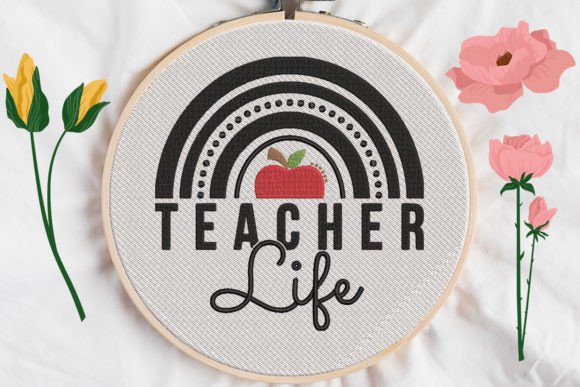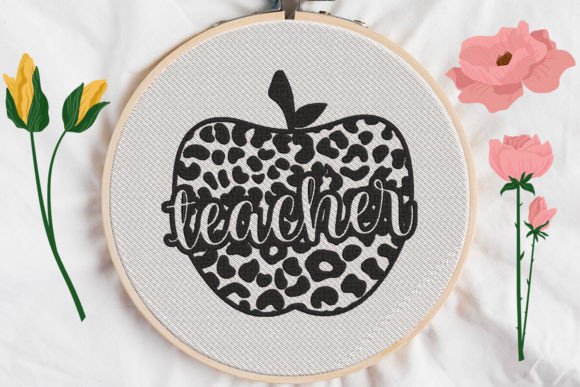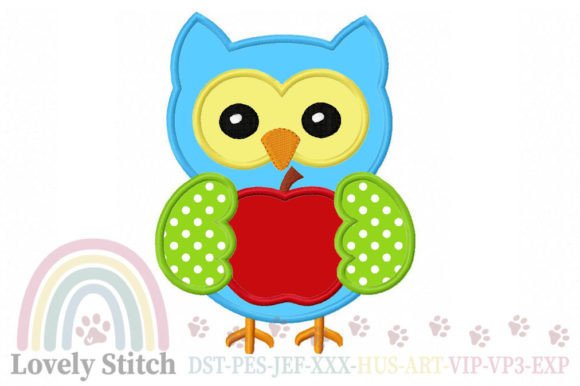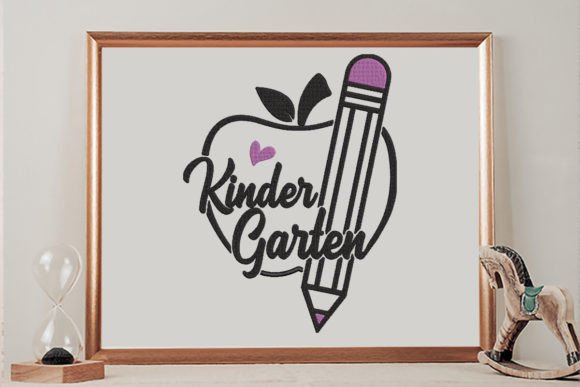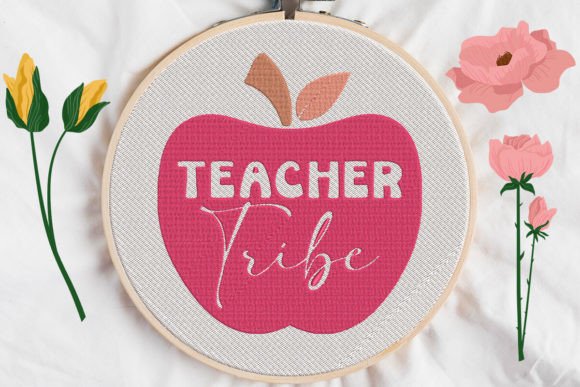
Teacher Tribe Apple Teacher
A Whimsical Yet Professional Touch for Small Business Branding
As an embroidery designer who’s digitized and stitched thousands of logos for cafés, boutiques, studios, and handmade brands, my first impression of Teacher Tribe Apple Teacher is immediate: it reads as friendly, approachable, and intentionally warm—without sacrificing polish. The name alone signals a niche audience (educators, learning spaces, creative classrooms), but its visual language—implied by “cool,” “charm,” and “whimsical”—suggests versatility beyond the classroom. For small business owners building authentic brand identity, that duality is gold: it feels handmade yet professional, playful yet trustworthy.
Real-World Performance Across Merchandise Types
Teacher Tribe Apple Teacher shines where personality meets practicality. On embroidered patches—ideal for staff aprons at a local bakery or floral shop—it delivers instant recognition without overwhelming detail. As a chest logo on custom apparel for a children’s bookshop or indie preschool, its balanced proportions hold up cleanly at 3–4 inches wide. For cap embroidery, position it slightly left-of-center on the front panel: the apple motif and implied typography (even without visible lettering) read clearly at standard cap sizes when digitized with appropriate spacing and stitch density.
Tote bag design benefits from its cheerful scale and organic flow—no rigid geometry to fight fabric drape. As a sleeve detail on work shirts for a craft studio or pet brand, it adds subtle storytelling without competing with functional seams. And on product packaging accents—think branded tea towels, seed packet labels, or gift tags—the design reinforces handmade product authenticity while keeping production efficient.
Where Caution Meets Craftsmanship
That said, Teacher Tribe Apple Teacher isn’t universally plug-and-play. Its “whimsical accent” nature means fine details—like delicate stem curves or soft apple shading—can blur at under 2 inches, especially on curved surfaces like cap fronts or rounded tote handles. If your small business merch includes dark uniforms (navy chef coats, charcoal aprons), confirm thread colors provide strong contrast—avoid light pastels unless paired with stabilizer-backed dense fill.
Fabric texture matters too. On terry cloth towels or heavy linen aprons, higher stitch density may require tear-away + cutaway stabilizer combo to prevent puckering. And while it’s built for home decor and casual wear, frequent washing demands careful hoop size selection and secure underlay—especially if stitching on cotton-poly blends common in staff uniforms.
Brand Identity Impact: More Than Just Cute
For Etsy sellers and boutique owners, Teacher Tribe Apple Teacher subtly elevates perceived value. It doesn’t scream “discount” or “generic”—it whispers “thoughtfully made.” That nuance builds customer trust: a florist using it on reusable gift wraps signals care; a pet brand stitching it onto bandana collars suggests warmth and individuality. Visually, it supports cohesive design assets—pair it with hand-lettered tags or watercolor packaging, and your brand feels intentional, not piecemeal.
Crucially, it avoids overused school clichés. No chalkboards, no apples with glasses—just clean, confident charm. That distinction helps small businesses stand out in crowded markets like Back To School retail or teacher appreciation gifting, where authenticity drives buyer engagement more than novelty alone.
Practical Embroidery Designer Notes You Can’t Skip
Before committing to production, run these checks:
- Test in black and white first. Print a grayscale version to assess contrast and silhouette clarity—especially if adapting for dark fabrics or low-resolution mockups.
- Verify patch viability. Resize the embroidery file down to 1.75” and stitch a sample on your intended backing fabric. Does the apple retain shape? Do outlines stay crisp?
- Review thread color contrast. Even if the digital embroidery file includes suggested colors, test actual thread swatches on your base fabric—light greens on kraft tote bags behave differently than on ivory linen.
- Inspect spacing and density. Whimsical doesn’t mean loose—check letter-to-apple spacing and fill transitions. Uneven density can cause shifting during commercial embroidery runs.
- Confirm hoop size and stabilizer needs. Match the design’s largest dimension to your machine’s standard hoop; oversized hoops risk registration drift on small-batch runs.
- Stitch on real fabric—not just felt. Run a test on your final substrate: canvas tote, brushed twill cap, or apron denim. Fabric stretch and nap change everything.
- Create a printable mockup for client approval. Show how Teacher Tribe Apple Teacher sits on their actual garment or product—context prevents costly rework.
- Compare beside existing design assets. Does it harmonize with your logo, font system, and color palette—or clash visually?
- Confirm commercial licensing before business use. Since this is a machine embroidery design intended for small business merch, double-check usage rights—especially for resale items like embroidered patches or branded totes.
Remember: a great embroidery file isn’t just about aesthetics—it’s about reliability across dozens of fabric types, wash cycles, and production environments. Teacher Tribe Apple Teacher lands firmly in the “versatile starter asset” category: easy to love, smart to adapt, and thoughtful enough to represent your small business with quiet confidence.
Whether you’re launching teacher-themed merchandise for a local studio, adding charm to café aprons, or building cohesive branding for an Etsy craft line, this design earns its place—not as filler, but as functional brand voice in thread.